
Sun damage
Reverse sun damage with IPL, laser and clinical treatments targeting sunspots, redness and uneven tone. Book a consult today.


What is sun damage?
Living in Australia means most of us experience some level of sun damage; it’s simply part of life under intense UV exposure. Over time, ultraviolet radiation from the sun affects how skin looks, feels, and functions, leading to sun-damaged skin.
Sun damage may appear as:
- Uneven tone or sun spots on the face
- Irregular brown pigmentation or sun damage spots
- Redness or visible blood vessels
- Rough texture or dull, sallow skin
- Loss of elasticity and firmness
- Fine lines, wrinkles, and deeper creasing
While these changes are mostly cosmetic, it’s always worth checking with a dermatologist to rule out any serious issues like skin cancer. The good news is that sun-damaged skin can be treated, and there are several ways to improve its look and feel, whether you’re concerned about a few sun spots on your face or changes on your body.
Treatments for sun damage
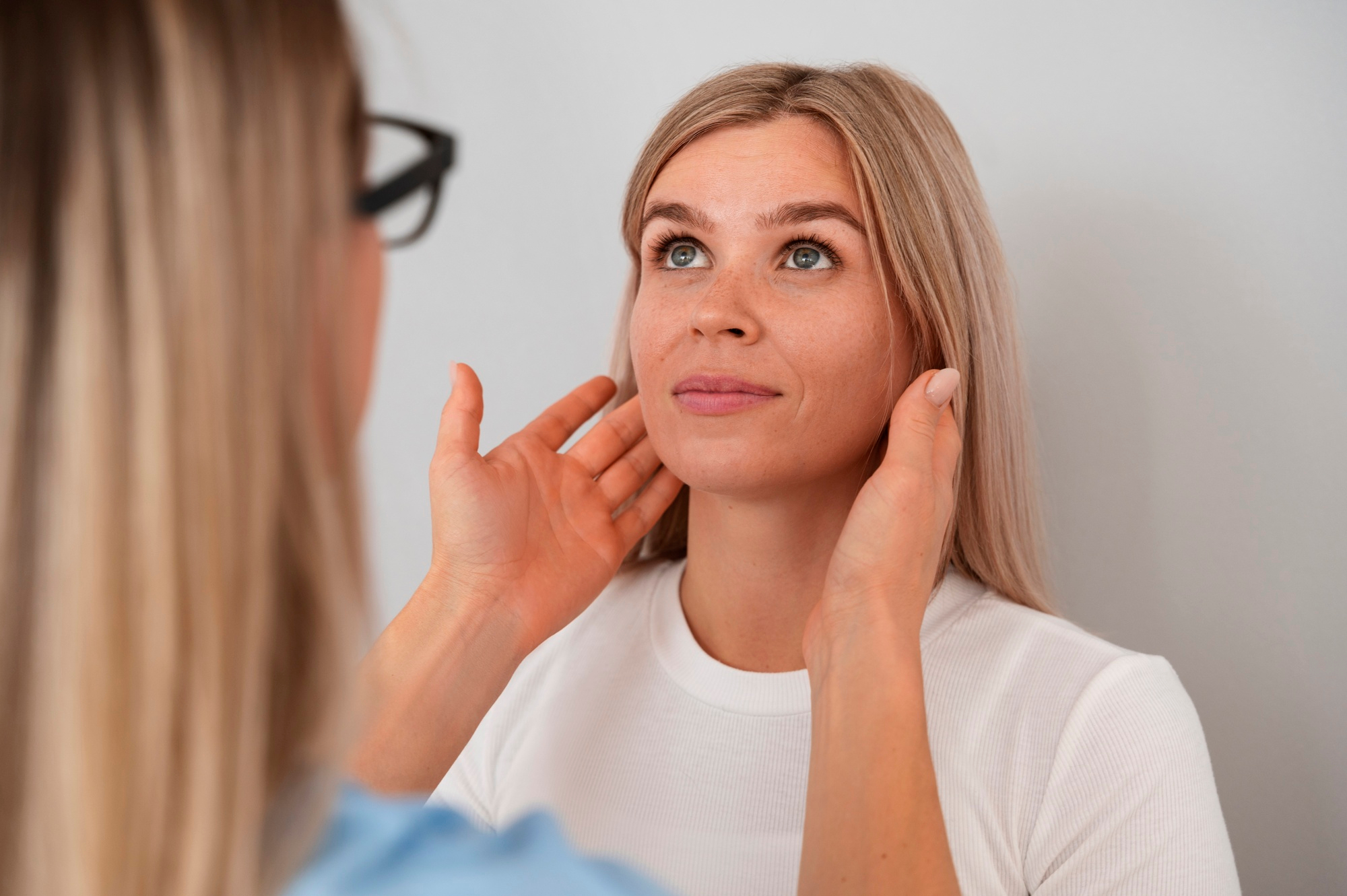
Before treatment begins, your skin should be carefully examined to make sure there are no medical concerns. Once cleared, we can create a treatment plan based on:
- Type and severity of sun damage
- Skin type and sensitivity
- Budget and downtime preferences
- Desired outcomes
Because sun-damaged skin presents differently for everyone, treatment is not the same for everyone
Targeted laser treatments
For patients primarily concerned about sun spots on the face or redness, targeted laser therapies can be highly effective.
- Pigment lasers break down excess melanin, responsible for brown spots and uneven tone
- Vascular lasers reduce redness and visible vessels
Rejuvenation-based treatment
When multiple signs of sun-damaged skin are present, such as pigmentation, texture, laxity, and fine lines, a rejuvenation-based treatment may deliver the results you are looking for.
Options include:
The Walter Nolan Multi-Laser Procedure
Our bespoke and signature treatmentprogram combines up to four lasers across several sessions. This approach allows multiple symptoms of sun damage to be treated at the same time, making it one of the more thorough treatment options for sun-damaged skin.
Intense Pulsed Light (IPL)
A gentle light-based therapy that gradually improves tone and reduces pigmentation. Regular sessions maintain results.
Laser Skin Resurfacing
Laser skin resurfacing provides significant improvement to sun-damaged skin. This treatment stimulates collagen, improves texture, and reduces wrinkles and pigmentation. This treatment is more invasive, so downtime is required. However, results are long-lasting and often dramatic.
Are sun damage treatments painful?
We always do our best to make treatments comfortable. Topical anaesthetic or cooling can make treatments more manageable, with most patients finding the treatments comfortable.
Is laser treatment effective for sun damage spots?
Yes, lasers are among the most effective options for pigmentation and texture concerns.
How long does treatment take to work?
Some improvement can be seen after the first session, but most treatments require several sessions over weeks or months for the best results.
What is the best treatment for sun-damaged skin on the face?
It depends on what you’re looking to improve. Pigment lasers for brown spots, vascular lasers for redness, or multi-laser programs for broader rejuvenation are all effective.
Can sun spots on the face be permanently removed?
Many sun spots respond very well to pigment lasers or IPL. Most patients see long-lasting results, although some spots may require multiple sessions over time.
Should I see a dermatologist for sun damage?
If you notice new or changing spots, persistent brown or red areas, rough patches, or signs of premature aging, it’s a good idea to get your skin checked. A dermatologist can make sure nothing serious is happening and recommend the right treatment for your skin type and goals.
At NBLDC, we use a variety of laser, light, and energy-based treatments to target sun damage on the face and body.
Can sun-damaged skin be reversed?
While we can’t erase the past, modern treatments can significantly improve the look of sun-damaged skin. Pigmentation can fade, texture can smooth out, and skin can feel firmer. The earlier you start, the better the results usually are.
Our Practitioners
The doctors at Neutral Bay Laser & Dermatology Clinic are highly trained medical professionals, with a caring and compassionate outlook, and a commitment to delivering exceptional results for our patients.
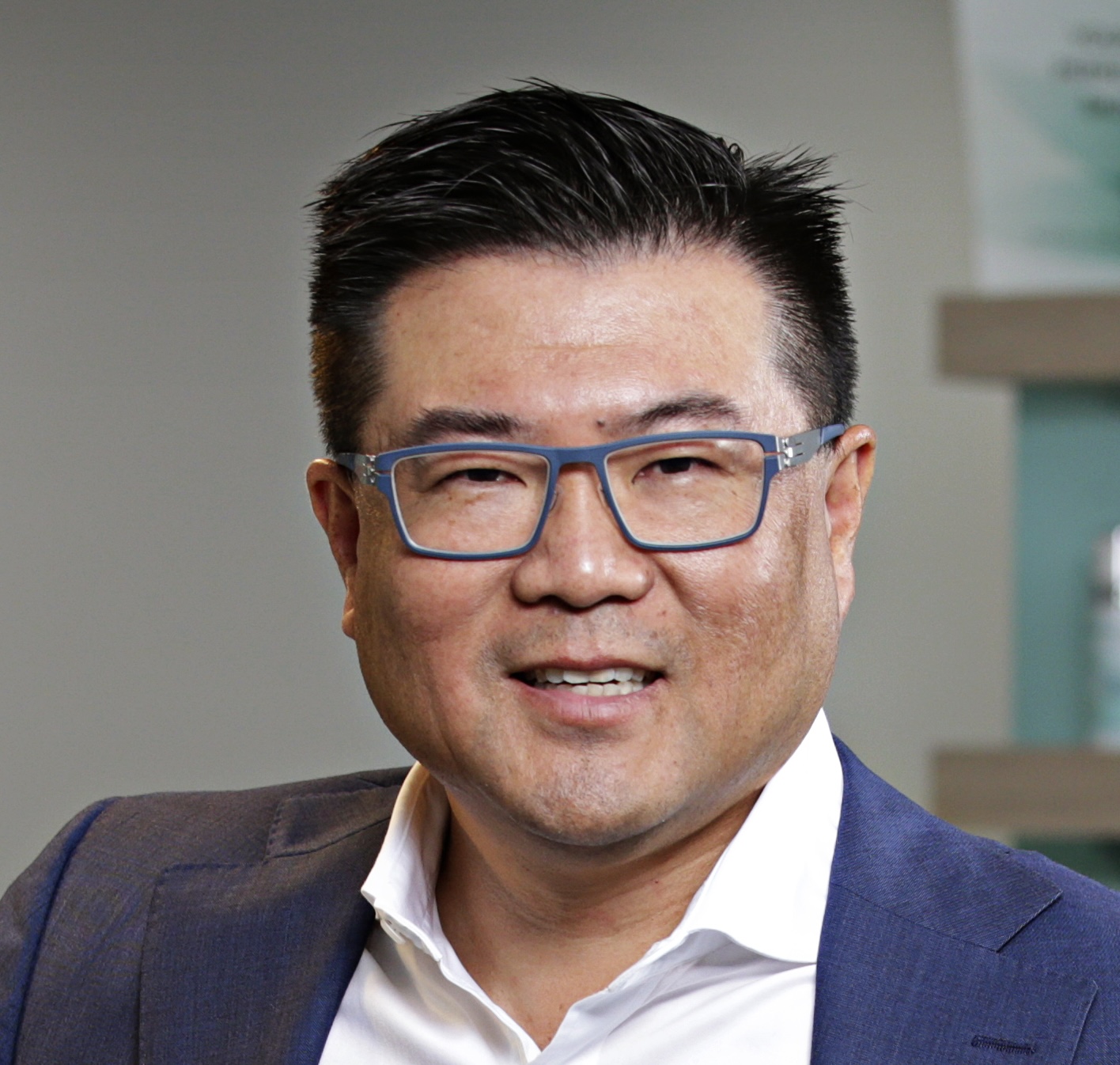
Dr. Terence Poon is the medical director of Neutral Bay Laser & Dermatology Clinic. He is a dermatologist and laser specialist. He has trained extensively in Australia and internationally, in the laser-responsive cosmetic aspects of dermatology.
He undertook a fellowship with Dr Jim Walter, who pioneered the use of lasers in dermatology in Australia and who founded our clinic, which was the first full time laser dermatology clinic in Sydney.

Dr Marianne Nolan has been with the clinic for over two decades and is very experienced in all aspects of laser treatments and related cosmetic procedures. Her meticulous record of safety and competence has earned her a huge following of dedicated cosmetic skin care patients, who also enjoy warm, caring manner. She trained extensively with our founder, Dr James Walter, and has attended regular training programmes and conferences in Australia, Europe and the USA. Together with Dr Walter, she is co-developer of our bespoke rejuvenation treatments, the Walter Nolan Multi-Laser Procedures.

Dr Helena Torpinski has been with our clinic for nearly two decades. Her bright and lively manner continues to ensure she is popular with our patients. Helena works as a GP in Newtown when she is not at our clinic and this adds a great breadth of knowledge and understanding to her engagement with patients. She has expertise in all forms of laser and light-based treatments and has a commitment to ongoing education, training and regular conference attendance.




Any surgical or invasive procedure carries risks. Before proceeding, you should seek a second opinion from an appropriately qualified health practitioner.
Please do not send urgent messages via email, such as cancellations or appointment changes. Our email is not checked every day. © Neutral Bay Laser & Dermatology Clinic year. All rights reserved. Reproduction of the contents in any form is prohibited. Powered by TAG. Sitemap