
Skin tags: What you need to know
May 4, 2026
1
min read
Written by Dr Terence Poon
Skin tags are one type of the many and varied lumps and bumps that can appear on our skin. Here’s all you need to know about skin tags, treatments and outcomes.
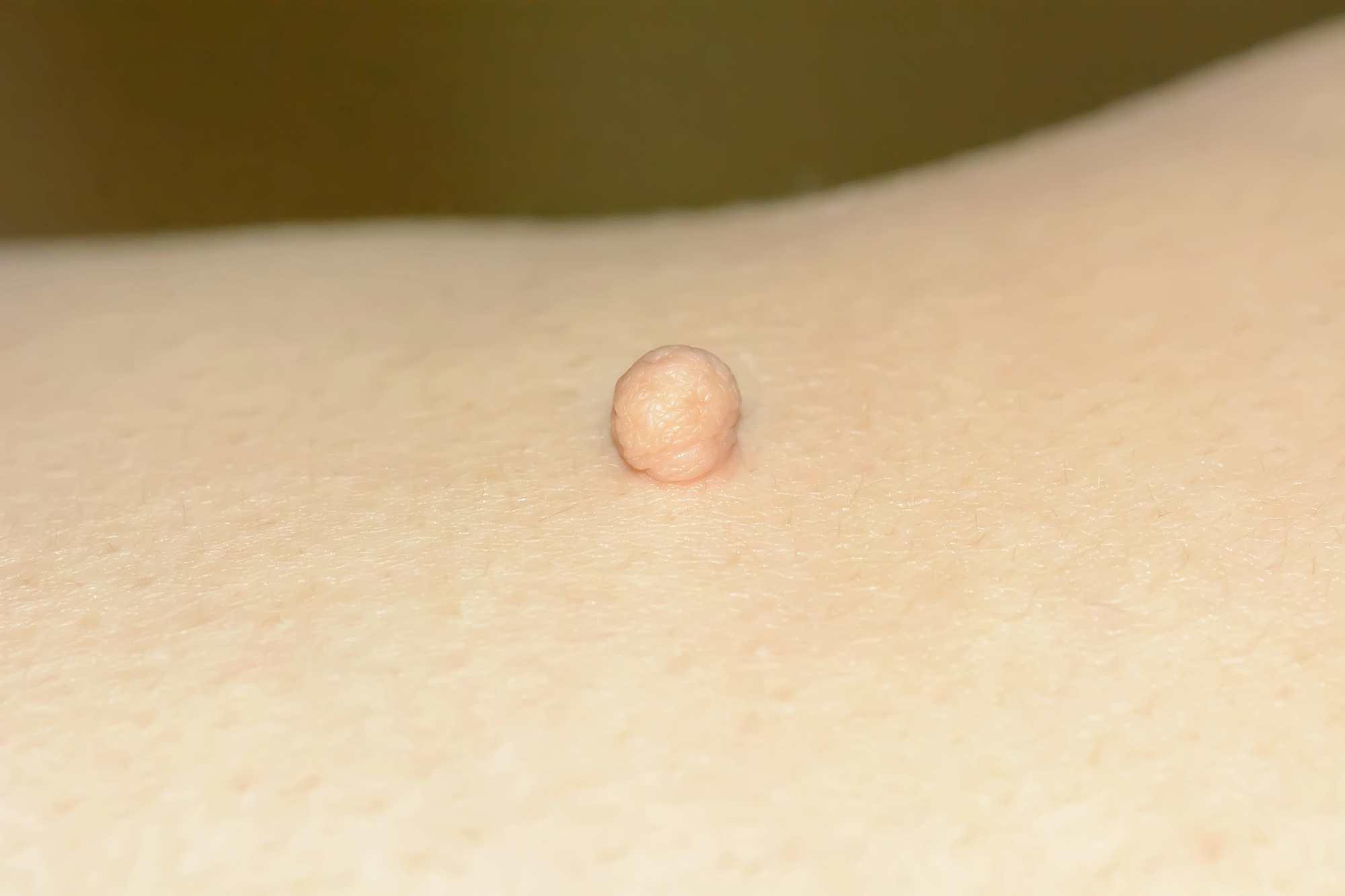
What are skin tags?
Skin tags, or acrochordons, are small pieces of soft skin that often hang on a stalk. They can be flesh coloured or pigmented, and appear in areas of friction, such as eyelids, underarms, necks and groins. They are non-cancerous, and vary in size from a few milimeters to over a centimetre.
Although they don’t cause pain or discomfort, they may rub against clothing, elastics, jewellery or seat belts, and can become irritated or irritating!
When do they form?
They generally begin to appear as we age, in areas of friction, or where skin rubs. Hormonal changes, such as during pregnancy, can cause an increase in skin tags, as well as being strongly correlated with several other health conditions, including diabetes and obesity, in which insulin resistance seems to play a part, as well as increase skin folds, and therefore, friction. There is also a genetic component, so if your parents had skin tags, you’re likely to have them too.
How to avoid developing skin tags
Maintaining a healthy weight means less points of skin friction. Wearing loose fitting clothing will also reduce friction. Also, moisturising regularly can help skin stay smooth, and thus produce less friction.
Do you need to treat skin tags?
Skin tags present no medical threat, so you do not need to treat them. However, they can pose a cosmetic issue, as well as forming on parts of the skin that make them irritated, which can cause issues such as stinging, or potentially ripping at them, which can result in bleeding and pain. Also, they can form on eyelids, restricting vision.
For these reasons, many people opt to treat them, removing the potential for these issues, along with removing the sometimes unsightly looking bubbles of skin, as well as avoiding being constantly asked “Have you had that checked? It could be cancer!”
Treating Skin Tags
Always seek the help of a medical professional to ensure that it is a skin tag on your skin and not something more serious. If the skin tag is on sensitive areas, like eyelids or genitals, it’s especially important to have an experienced and qualified medical professional doing the treatment.
Options for treatment include:
Cryotherapy – freezing the skin tag and removing it with liquid nitrogen. This can be performed by a dermatologist, in clinic.
Excision – a doctor will use medical grade scissors to snip the tag, usually under local anaesthesia.
Cautery – burning off the skin tag
Laser removal – this is the most controlled and neatest method of removal, with the most precise outcomes.
Avoid DIY treatments
Sometimes at-home treatments are recommended on social media and non-medical websites, or by word of mouth from friends and family. Sometimes these treatments work out ok, but there is a high risk of infection, scarring or pigmentation.
Remember: Whenever you notice a new growth on your skin, or any change to existing ones, have them checked by your GP and/ordermatologist.

Book Your Consultation Today
Contact Us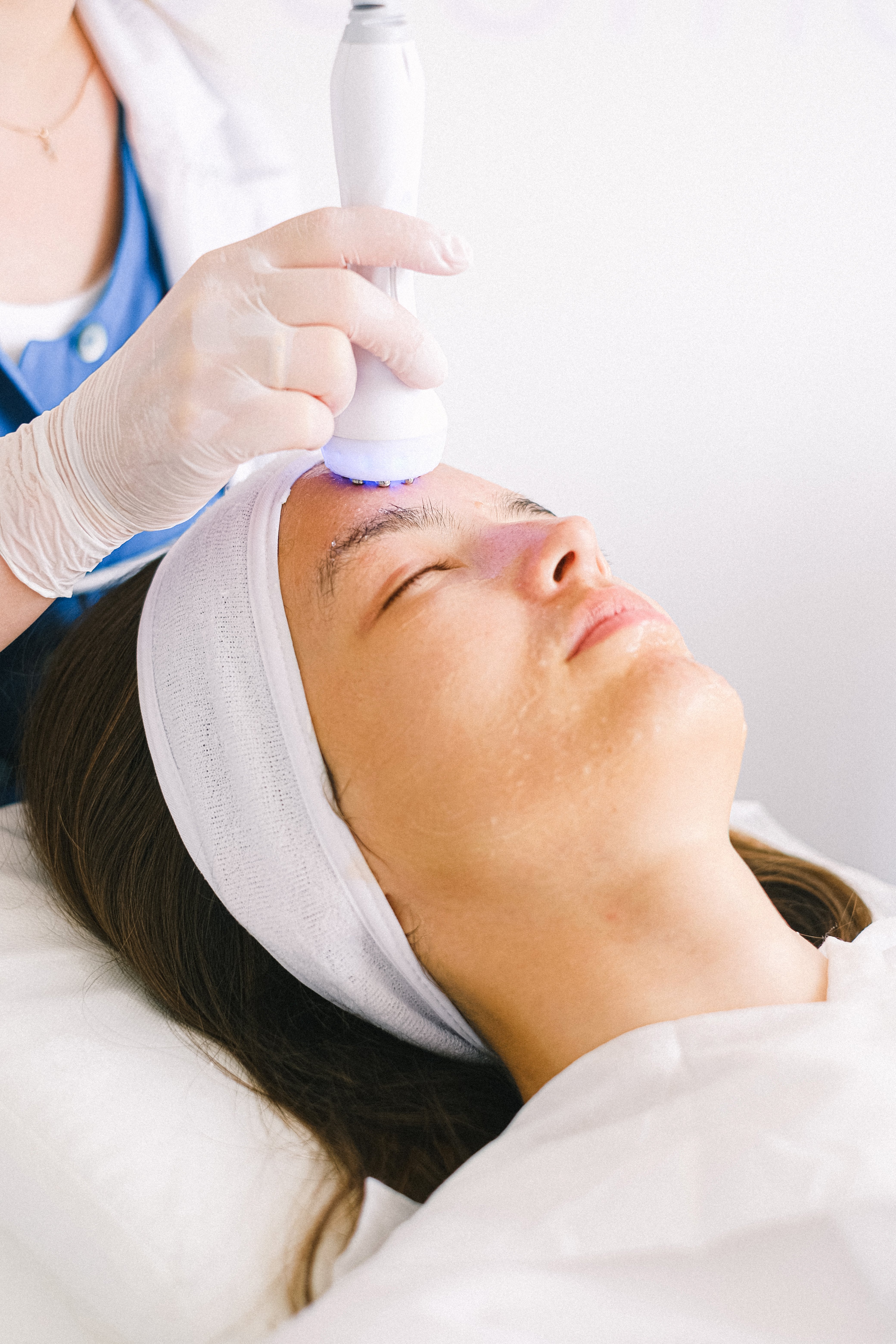




Any surgical or invasive procedure carries risks. Before proceeding, you should seek a second opinion from an appropriately qualified health practitioner.
Please do not send urgent messages via email, such as cancellations or appointment changes. Our email is not checked every day. © Neutral Bay Laser & Dermatology Clinic year. All rights reserved. Reproduction of the contents in any form is prohibited. Powered by TAG. Sitemap