
Acne treatments that dermatologists recommend
Mar 25, 2026
1
min read
Written by Dr Terence Poon
Acne is a common skin condition caused by clogged pores, bacteria, and hormonal factors. Dermatologists treat acne using evidence-based options such as topical retinoids, benzoyl peroxide, antibiotics, hormonal treatments, isotretinoin, and professional procedures. The right treatment depends on your skin type and acne severity, which is why a personalised plan from a dermatologist is often recommended.
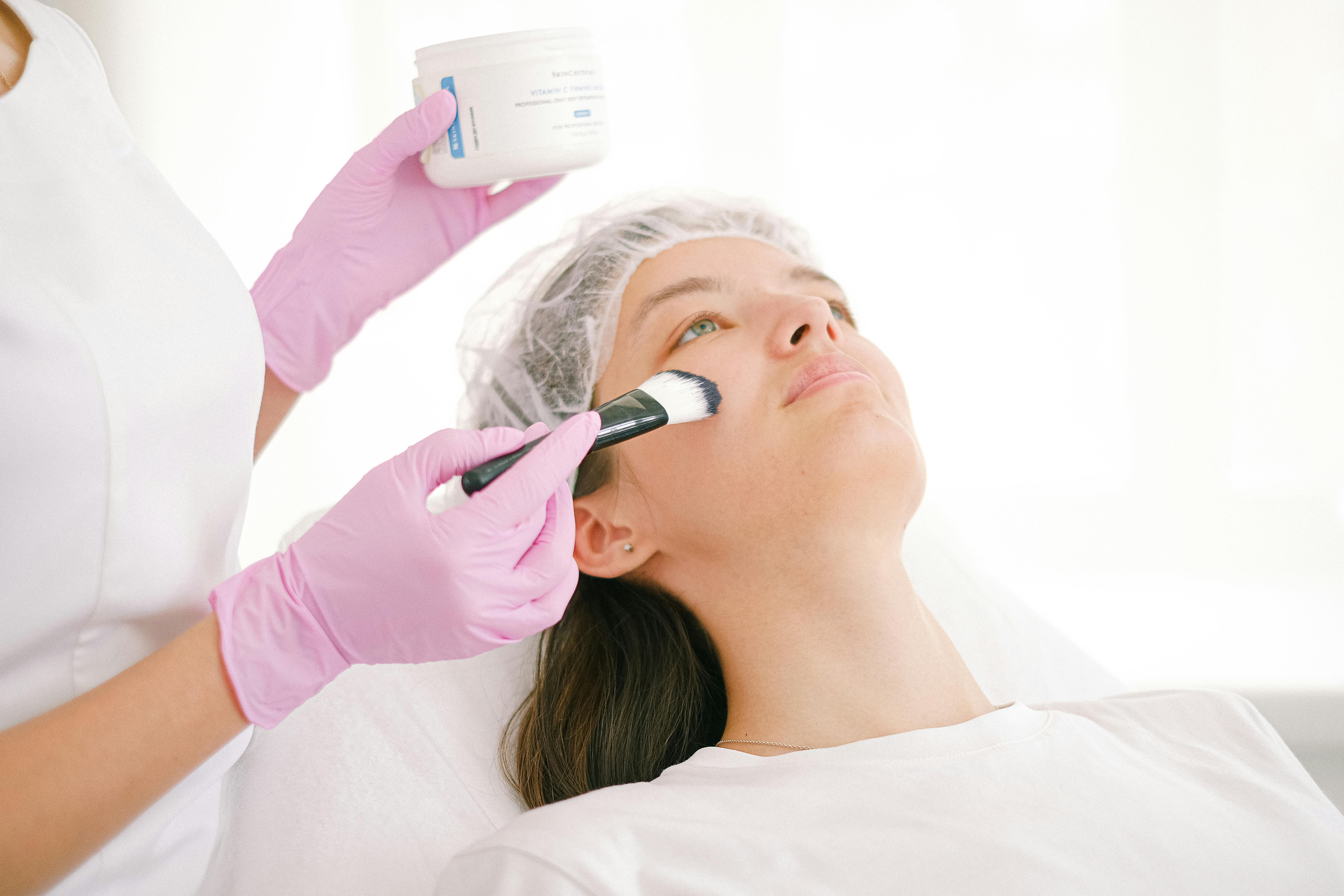
Most people will experience acne at some point in their life. Whether it’s the occasional breakout or ongoing cystic acne that feels impossible to control, acne can knock your confidence and feel uncomfortable. The good news is that dermatologists treat acne every day and there are several, evidence-based acne treatments that genuinely work.
If you’re looking for acne treatment advice, this blog is for you. We’ll walk you through the main acne treatment options dermatologists recommend, what they do, and how to know which approach might be best for your skin.
Why acne happens (and why it can be stubborn)
Acne develops when hair follicles become clogged with oil, dead skin cells and bacteria. This can lead to blackheads, whiteheads, pimples, and sometimes deeper inflamed cysts. Hormones, genetics, stress, diet, and certain skincare products can all play a role, which is why treating acne can feel so frustrating and confusing.
Because acne has many causes, there’s no one-size-fits-all solution. Dermatologists often use a combination of treatments, including acne medication, to reduce oil production, unclog pores, calm inflammation, and treat any bacterial growth.
Common acne treatments dermatologists recommend
1. Topical retinoids (the foundation of acne treatment)
Topical retinoids are one of the most commonly recommended acne treatments by dermatologists. They help speed up cell turnover, preventing pores from clogging and reducing the formation of new acne lesions. They can also improve skin texture and reduce the appearance of post-acne marks.
Retinoids can initially cause dryness or irritation, but this usually settles with consistent use and the right moisturiser. Your dermatologist may recommend a specific strength or a gentle formula based on your skin type.
2. Benzoyl peroxide (the acne spot treatment you can trust)
Benzoyl peroxide is one of the best acne spot treatment options available. It works by reducing bacteria on the skin and helping to clear blocked pores. It’s especially useful for inflammatory acne, the red, painful pimples that feel like they’re under the skin.
The downside is that benzoyl peroxide can dry out the skin and bleach towels or pillowcases, so it’s best used carefully and as directed by a dermatologist.
3. Antibiotics for acne (short-term, targeted relief)
For moderate to severe acne, dermatologists may prescribe oral or topical antibiotics. These acne medications reduce inflammation and target the bacteria that contribute to acne. They’re usually used for a limited period to reduce the risk of antibiotic resistance.
Many dermatologists combine antibiotics with other acne treatments, like topical retinoids or benzoyl peroxide, for a more complete approach.
4. Hormonal treatments (often effective for women)
If acne is linked to hormonal changes, such as during the menstrual cycle, pregnancy, or conditions like PCOS, dermatologists may recommend hormonal acne treatments. These can include oral contraceptive pills or anti-androgen medications that help regulate hormone-driven oil production.
Hormonal acne treatment can be highly effective, especially when breakouts are concentrated around the jawline and chin.
5. Isotretinoin (a powerful acne medication for severe acne)
Isotretinoin is one of the most effective acne treatments available, especially for severe cystic acne that hasn’t responded to other options. It works by dramatically reducing oil production and shrinking oil glands, while also preventing clogged pores and inflammation.
Because isotretinoin is strong, it comes with possible side effects and requires medical supervision. Dermatologists will usually discuss the benefits, risks, and monitoring plan before starting treatment.
6. Chemical peels and professional treatments
Dermatologists may also recommend professional treatments like chemical peels, laser therapy, or microneedling for acne and acne scars. These are usually best used alongside acne medication and a solid skincare routine.
Professional treatments can help improve skin texture, reduce acne marks, and support long-term acne control, but they work best when acne is already under control.
How to choose the right acne treatment
The best acne treatment is the one that matches your skin type, acne severity, lifestyle, and goals. That’s why dermatologists always fine tune treatment plans to your skin, rather than prescribing the same routine to absolutely everyone.
If you’re not sure where to start, a dermatologist can help you understand whether you need acne medication, other treatments, or a combination of both.
When to see a dermatologist
If your acne is causing scarring, pain, or distress, it’s worth seeing a dermatologist. You should also seek professional help if you’ve tried over-the-counter treatments and aren’t seeing improvement.
Dermatologists can diagnose the type of acne you have and recommend evidence-based acne treatments that are safe and effective.
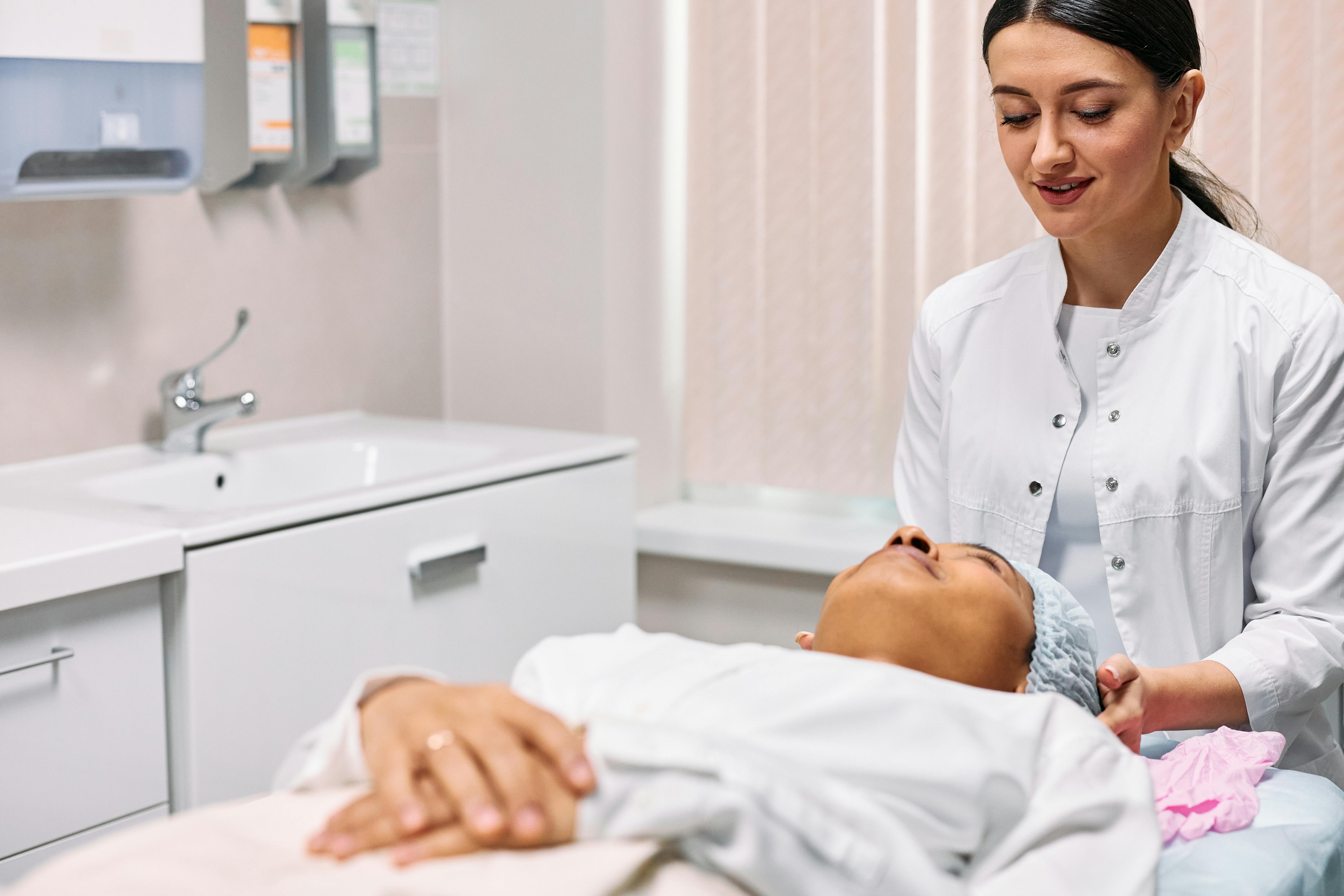
If you’re looking for the best acne treatment for your skin, a Neutral Bay Laser & Dermatology dermatologist is the best place to start. They can help you understand what’s causing your acne and design a plan that works for you.

Book Your Consultation Today
Contact Us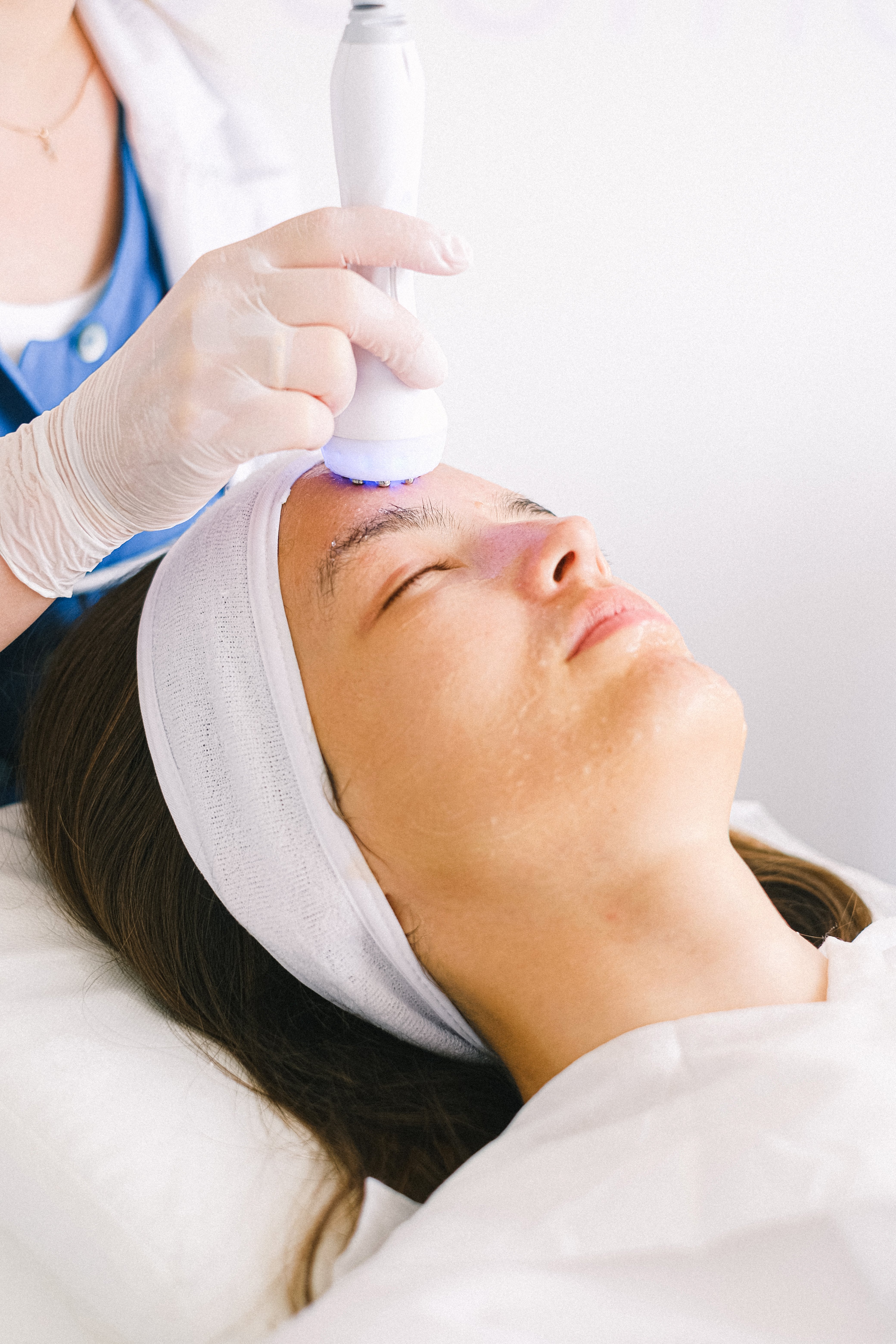



Any surgical or invasive procedure carries risks. Before proceeding, you should seek a second opinion from an appropriately qualified health practitioner.
Please do not send urgent messages via email, such as cancellations or appointment changes. Our email is not checked every day. © Neutral Bay Laser & Dermatology Clinic year. All rights reserved. Reproduction of the contents in any form is prohibited. Powered by TAG. Sitemap