
8 Common Types Of Sun Damaged Skin
Feb 12, 2026
1
min read
Written by Dr Terence Poon
Australia’s extreme UV levels can cause skin damage in as little as 15 minutes. This guide explains eight common signs of sun damage, from spots to wrinkles, plus practical steps and professional treatments to help protect and restore your skin.

Australia has some of the highest UV levels in the world, with UV indexes regularly reaching 11+ (extreme) during summer. What many people don’t realise is that it doesn’t take a beach holiday or a visible sunburn for damage to occur. In UV levels of 3 or higher, as little as 15 minutes of unprotected sun exposure can start to affect your skin.
Over time, this repeated exposure adds up. Understanding what sun damage looks like is an important first step. Knowing the different types of sun damage on the face and body can help you recognise what’s happening in your own skin. Here’s a closer look at eight common types of sun damage on the face and body, what they look like, and why they develop.
1. Sunspots or Age Spots
You’ve probably noticed small, flat, brown or grey patches appearing on your cheeks, hands, or shoulders. These are commonly referred to as sunspots or age spots, and they happen when repeated UV exposure triggers extra pigment production in your skin. Unlike freckles, sun damage spots tend to be consistently visible, year-round, and slowly grow more noticeable over time. They’re harmless, but many people look for ways to even out their skin tone when these spots show up, specially on the face, neck, decolletage and hands.
2. Redness and Broken Capillaries
Persistent redness or small, visible blood vessels, often around the nose, cheeks, or chin, can be a sign of sun damaged skin. Sun exposure weakens the delicate capillaries under your skin, making them more visible. While it’s not usually painful, this uneven, red, sun damaged skin can be frustrating, and it’s one of the subtle ways sun damage on the face can appear, even before spots or wrinkles show up.
3. Dry, Rough Texture
Spending years in the sun can make your skin feel dry, rough, or sandpaper-like. UV rays break down the skin’s natural moisture barrier, leaving it less able to retain hydration. This change in texture is a common sign of sun damage skin, and you might notice it particularly on the cheeks, forehead, and hands. Regular moisturising and sun protection can help slow it down, but prevention is always better than cure.
4. Wrinkles and Fine Lines
One of the most noticeable signs of sun damaged skin is wrinkles. UV rays damage collagen and elastin, the proteins that keep your skin firm and elastic, leading to premature lines, creases, and sagging.
Wrinkles from sun damage on the face often appear around the eyes, mouth, and forehead. Even if your skin looks smooth in some areas, these subtle structural changes are a clear sign of cumulative sun exposure and are one of the most common reasons people look into treatments for sun-damaged skin.
5. Uneven Skin Tone
Sometimes, sun damage shows up as blotchy, uneven pigmentation rather than discrete spots. The skin may have areas that are darker or lighter than the surrounding skin. This can be caused by repeated sun exposure, inflammation, or mild sunburns over time. Uneven skin tone is often what people notice first when they feel their skin looks “tired” or “older” than it should.
6. Freckles
Freckles are a classic sign of sun damaged skin, especially if you already have a fair complexion. While freckles are small and often seasonal, they show how your skin responds to UV exposure. They are usually harmless, but multiple freckles or freckles that deepen in colour can indicate that the skin is getting cumulative sun exposure and might need more proactive protection.
7. Skin Thickening or Rough Patches
Years of sun exposure can lead to areas of thicker, rougher skin, sometimes called actinic keratoses. These patches are usually slightly scaly and may feel different to the touch. While mostly harmless, they’re a clear example of skin conditions caused by sun damage and should be monitored by a dermatologist, as prolonged sun damage can occasionally lead to more serious issues.
8. Red or Blotchy Sunburn
Lastly, different types of sunburn are a direct, immediate sign of sun damage. Even a mild sunburn can accelerate ageing and cause long-term changes in your skin. Repeated sunburns contribute to many of the other forms of sun damaged skin, including spots, wrinkles, and uneven pigmentation. Protecting your skin before exposure is the best way to prevent this type of damage from stacking up over time.
Ways To Reduce Sun Damage
It’s never too late to start caring for your skin. We always tell our patients that today is a good day to begin, if you haven’t already. Even if your skin has already experienced years of sun damage, there are practical steps you can take to slow further damage and improve the overall look and feel of your skin.
Sun Protection
The first and most important step is consistent sun protection. Daily use of a broad-spectrum sunscreen helps prevent new sun damage on the face and other exposed areas. Remember, UV rays can penetrate clouds, windows, and even short trips outdoors, so applying sunscreen every day, even on overcast winter days, is key. Pair sunscreen with other protective measures, like wearing a hat, sunglasses, and seeking shade during peak UV hours. Over time, these small changes make a big difference in preventing further sun damaged skin.
Gentle Skincare
Sun-damaged skin can be more sensitive, so switching to gentle, hydrating products helps support your skin barrier. Look for moisturisers that include antioxidants,these can help protect against free radicals generated by UV exposure.
Professional Treatments
For those who want to actively reduce existing sun damage, professional treatments can be highly effective. Neutral Bay Laser & Dermatology Clinic offers options to even out skin tone, reduce sun damage spots, and improve texture and firmness.
It’s never too late to start caring for your skin. Even if your skin has already seen years of sun exposure, taking steps now can prevent further damage and support your skin’s natural repair. Book a cosmetic consult with one of our senior nurses, to discuss your sun damage and skin concerns - it’s free!

Book Your Consultation Today
Contact Us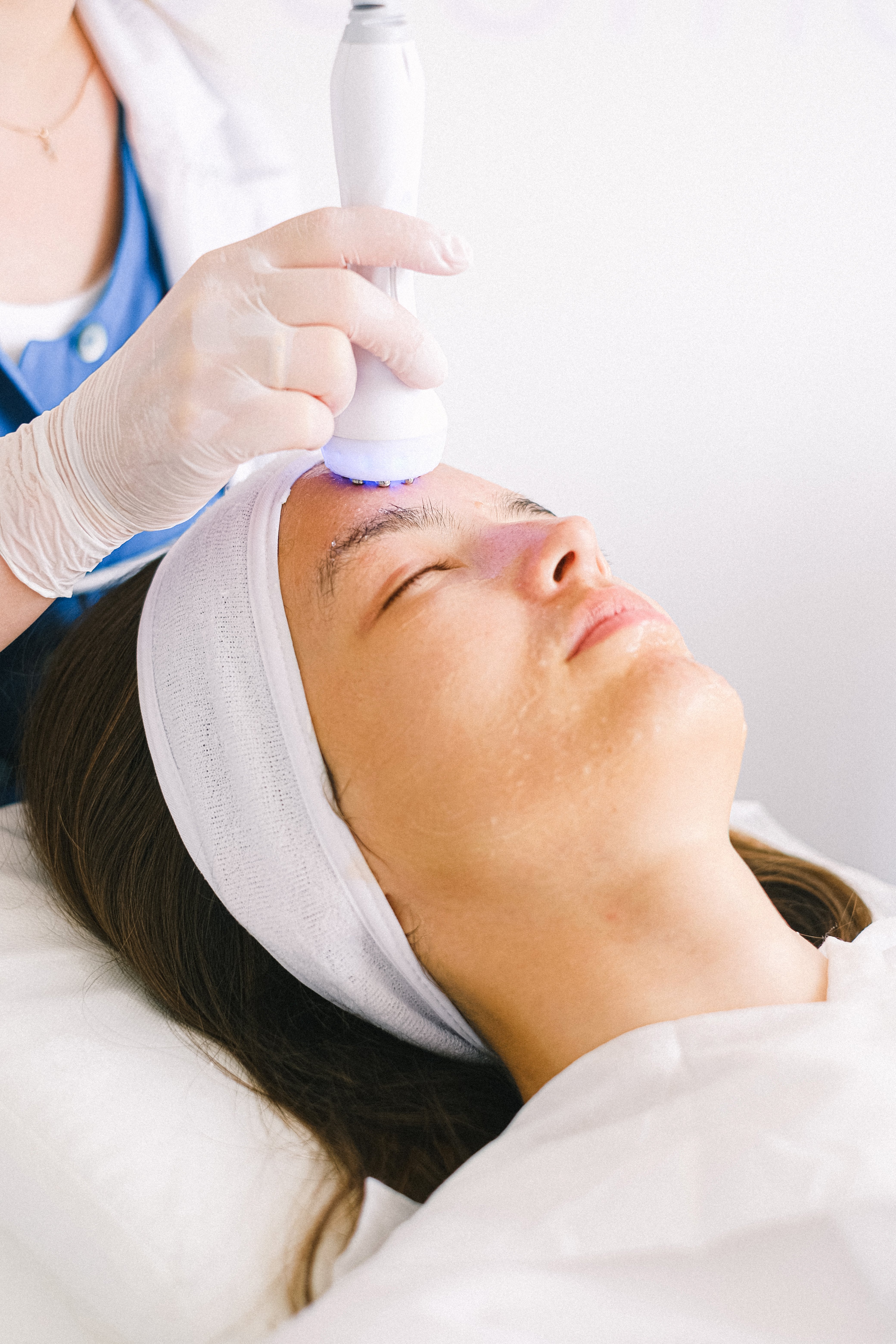





Any surgical or invasive procedure carries risks. Before proceeding, you should seek a second opinion from an appropriately qualified health practitioner.
Please do not send urgent messages via email, such as cancellations or appointment changes. Our email is not checked every day. © Neutral Bay Laser & Dermatology Clinic year. All rights reserved. Reproduction of the contents in any form is prohibited. Powered by TAG. Sitemap