
Types of Warts & How to Identify Them
Feb 12, 2026
1
min read
Written by Dr Terence Poon
Warts are common skin growths caused by HPV. This guide explains different wart types, how to identify them, what causes them, and when to seek treatment. Learn safe removal options and when to see a dermatologist for expert care.
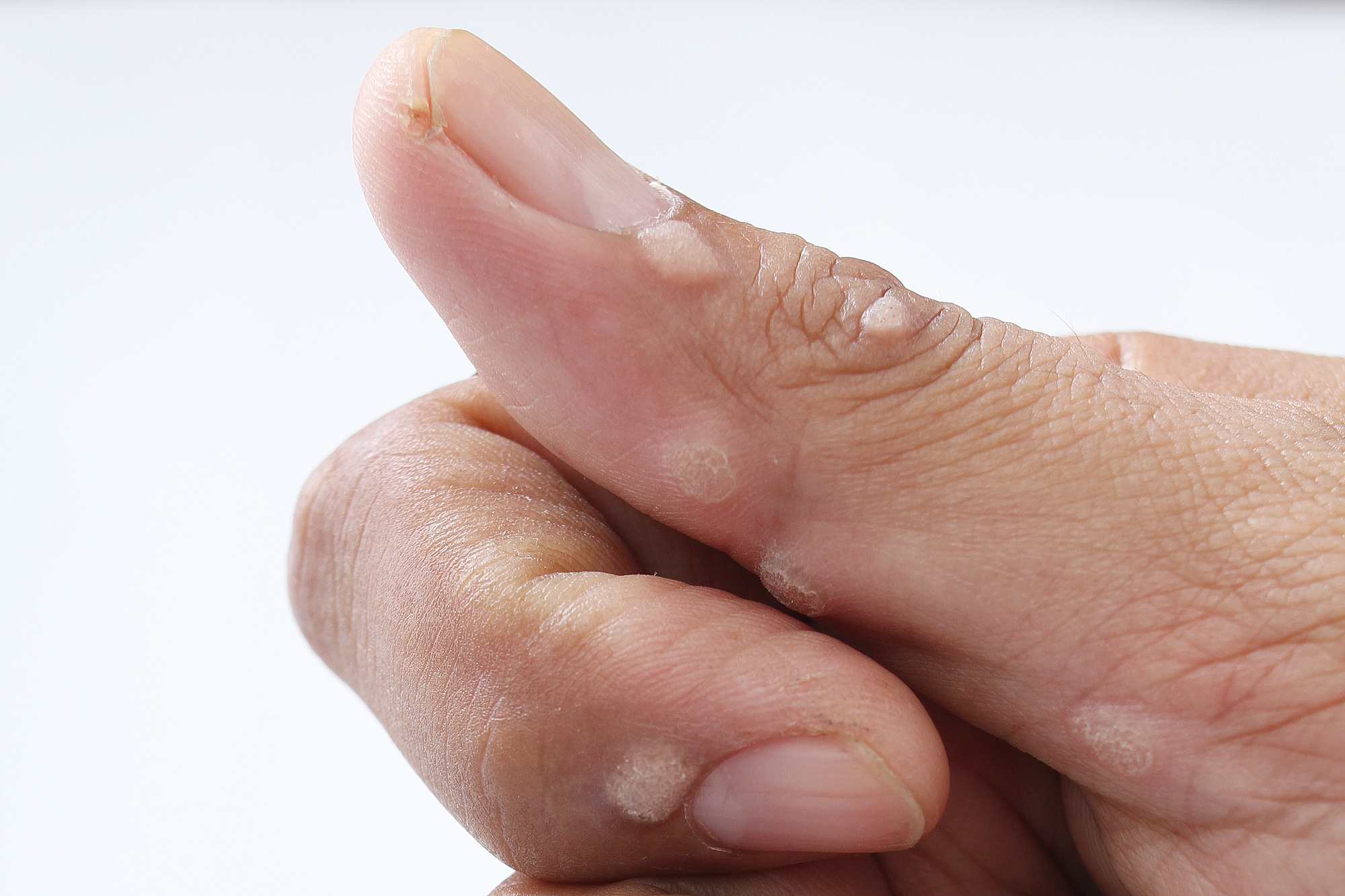
Despite what fairytales tell you, you won’t get a wart from kissing a frog, and warts aren’t exclusive to witches. Warts are actually one of the most common skin conditions people encounter, and while they’re usually harmless, they can be annoying and unsightly. Knowing the different wart types, how to identify a wart, and what causes them, can help you decide when to get treatment and what options might be available to you.
What Is a Wart?
A wart is a small, rough growth on the skin caused by the human papillomavirus (HPV). While harmless in most cases, warts can spread from person to person or even from one part of your body to another if touched. They can appear anywhere on the skin but are often found on the hands and feet.
Wart symptoms vary depending on the type, but common signs include a raised bump, rough or grainy surface, and sometimes small black dots in the centre, which are tiny clotted blood vessels. Warts can be skin-coloured, pink, brown, or even slightly yellow, and some may cause mild discomfort if located in areas that get pressure or friction.
What Causes Warts?
The main culprit behind warts is HPV. There are more than 100 strains of this virus, and different strains tend to affect different areas of the body. Warts develop when the virus infects the top layer of skin, often entering through tiny cuts or abrasions. Factors like a weakened immune system, frequent exposure to shared surfaces (like gyms or swimming pools), or biting nails can make some people more prone to developing warts.
How to Identify a Wart
Knowing how to identify a wart is important, especially since some skin lesions may look similar but have different causes. Warts are usually:
- Firm and rough to the touch
- Raised or flat, depending on the type
- Often have small black dots on the surface
- Can appear alone or in clusters
If you notice a growth that changes rapidly, bleeds, or looks unusual, it’s best to consult a dermatologist, as not all skin bumps are warts.
Common Wart Types
There are several types of warts, each with unique characteristics and typical locations on the body. Understanding the differences can help you identify them more easily:
1. Common Warts
Common warts (verruca vulgaris) are firm, raised bumps, often with a rough, grainy surface. They usually appear on the hands, fingers, or around the nails, but can occur anywhere.
2. Plantar Warts
Plantar warts grow on the soles of the feet and can be painful, especially when walking. They may appear flat due to pressure and often have small black dots on the surface.
3. Flat Warts
Flat warts (verruca plana) are smaller, smoother, and flatter than other types of warts. They tend to appear in clusters on the face, arms, or legs and are more common in children and young adults.
4. Filiform Warts
Filiform warts are long, narrow, and often grow on the face around the eyes, mouth, or nose. These facial warts can look like tiny skin tags or threads.
5. Periungual Warts
These warts develop around or under the nails and can affect nail growth. They are often painful and difficult to treat, especially if they have been present for a long time.
6. Genital Warts
While genital warts are less common, they are caused by different strains of HPV. They appear in the genital and anal areas and may require medical evaluation and treatment.
7. Mosaic Warts
Mosaic warts are clusters of plantar warts that grow close together, creating a larger, patch-like appearance. They are often found on the soles of the feet.
8. Subungual Warts
Similar to periungual warts, subungual warts grow beneath the nail plate. They can distort the nail and are sometimes mistaken for fungal nail infections.
How to Get Rid of Warts
While some warts may resolve on their own over a period of months or even years, professional treatment is often the most reliable way to remove them safely and reduce the risk of spreading to other parts of the body. It’s important to note that it may take several treatments spaced apart to fully get rid of warts. Options include:
- Cryotherapy (freezing the wart with liquid nitrogen).
- Laser treatment. Both the VBeam Pulsed Dye laser and the ablative CO2 laser are suitable.
- Topical prescription treatments administered by a dermatologist.
- Chemotherapy agent called bleomycin. This medicine is injected into the wart by a doctor.
It’s important to avoid picking, scratching, or trying harsh home remedies, as these can cause infection or scarring. A dermatologist can recommend the best approach based on wart type and your skin.
When to See a Dermatologist
While most warts are harmless, you should seek professional advice if a growth:
- Changes in appearance
- Bleeds or becomes painful
- Spreads rapidly
- Persists despite over-the-counter treatments
A dermatologist can identify the types of warts on the face or body and recommend the safest and most effective way to treat them.
If you or someone you know has warts and is looking for safe, effective treatment, the experienced team at Neutral Bay Laser & Dermatology is here to help. Our dermatologists can identify the type of wart and recommend the best approach to treat it, helping you get clear, healthy skin.

Book Your Consultation Today
Contact Us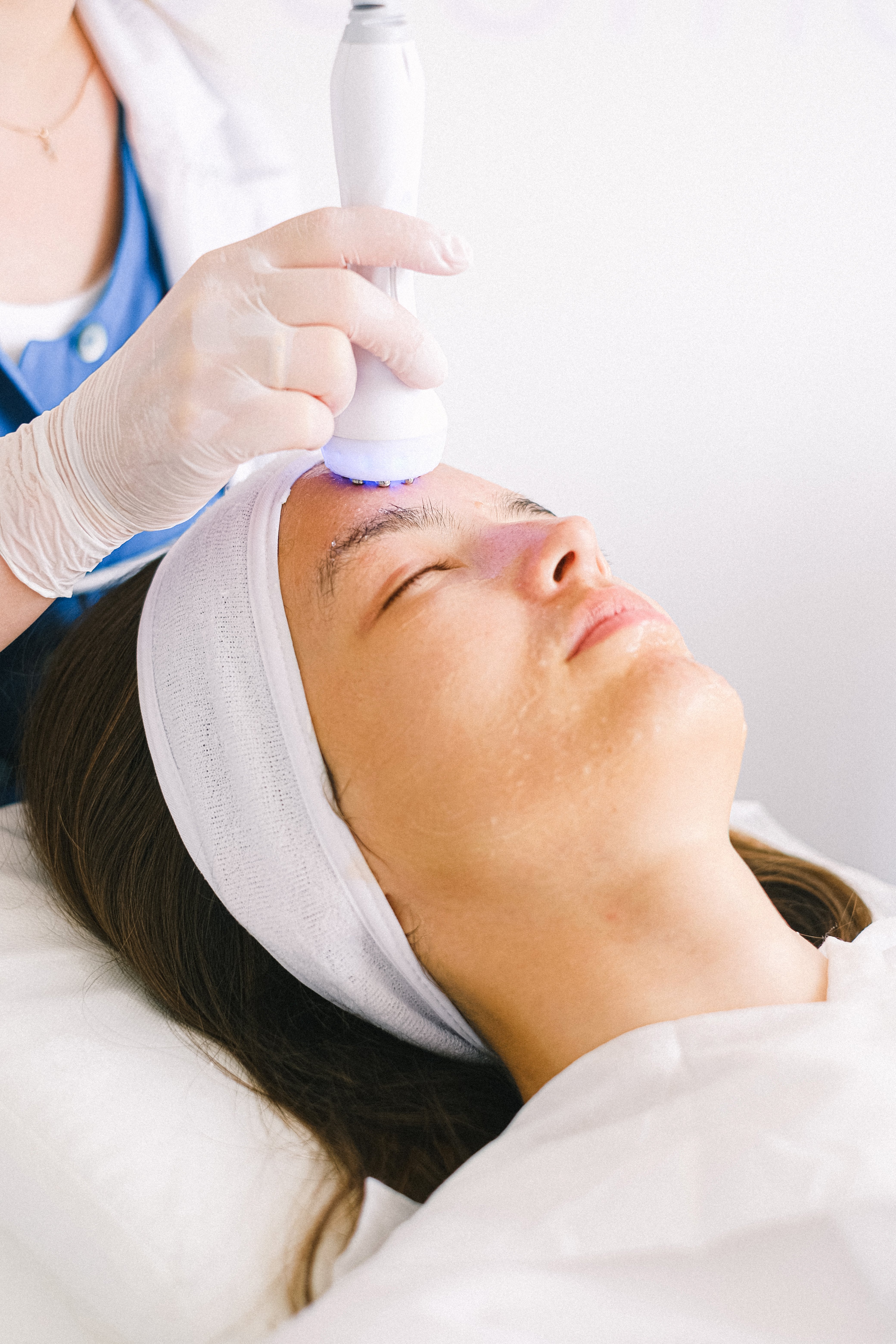



Any surgical or invasive procedure carries risks. Before proceeding, you should seek a second opinion from an appropriately qualified health practitioner.
Please do not send urgent messages via email, such as cancellations or appointment changes. Our email is not checked every day. © Neutral Bay Laser & Dermatology Clinic year. All rights reserved. Reproduction of the contents in any form is prohibited. Powered by TAG. Sitemap